Lester GuitarCustom Shop · Academy Start enrollment
Lester Guitar Academy · Luthier training

Turn a passion for guitars into real craft.

A hands-on luthier academy at a working custom shop bench in Angeles City. Start with professional setups, move on to fretwork and structural repairs, then build your own guitar from raw tonewood.

Format
Supervised benchwork
Class size
Max 3 per bench
Ages
16 and up
From
₱6,000 / level
On the bench

A full setup, step by step. This is Level 1.

What is a luthier?

The person who makes a guitar play right.

A luthier builds and repairs stringed instruments. Day to day, that means setting up necks, leveling frets, cutting nuts, fixing cracks, rewiring electronics and, for the most skilled, building guitars from raw wood.

The Lester Guitar Academy teaches all of it at the same benches, with the same tools, where Lester Guitar Custom Shop does its paid work.

Hobbyists

Look after your own guitars and stop paying for setups.

Future techs

Start offering setups and repairs to paying clients.

Players

Understand your instrument and dial in your own tone.

Makers

Woodworkers who want to build their first instrument.

Career roadmap

Three levels. Three professional roles.

Levels are completed in order, and you earn a certificate at each checkpoint. Take them back-to-back, or stop at the level that matches your goal.

Level 01

Setup & Instrument Health

Bench safety, neck geometry, nut and saddle, intonation.

Precision Technician
Level 02

Repairs & Fretwork

Fret leveling, refretting, structural repair, custom wiring.

Repair Specialist
Level 03

Custom Guitar Building

Tonewood to finished instrument: carving, inlays, spray finish.

Custom Luthier
Tuning a guitar headstock Open enrollment
Level 01Beginner

Setup & Instrument Health

Learn the full professional setup on electric, acoustic and bass guitars, and how to diagnose what's wrong with an instrument before touching it.

Who it's for

  • Complete beginners with no tool experience
  • Players who want to maintain their own guitars
  • Anyone planning to continue to Level 2

Skills covered

  • Bench safety and precision measuring tools
  • Neck relief and truss rod adjustment
  • Nut and saddle slotting and shaping from bone
  • Action, intonation and pickup height

Outcome · Precision TechnicianDo standard commercial setups, diagnose structural alignment, and complete a full playability setup on electric, acoustic and bass guitars.
Bench time
10–15 hours
Sessions
~5 × 3 hrs
Bring
Your own guitar
Course fee
₱6,000
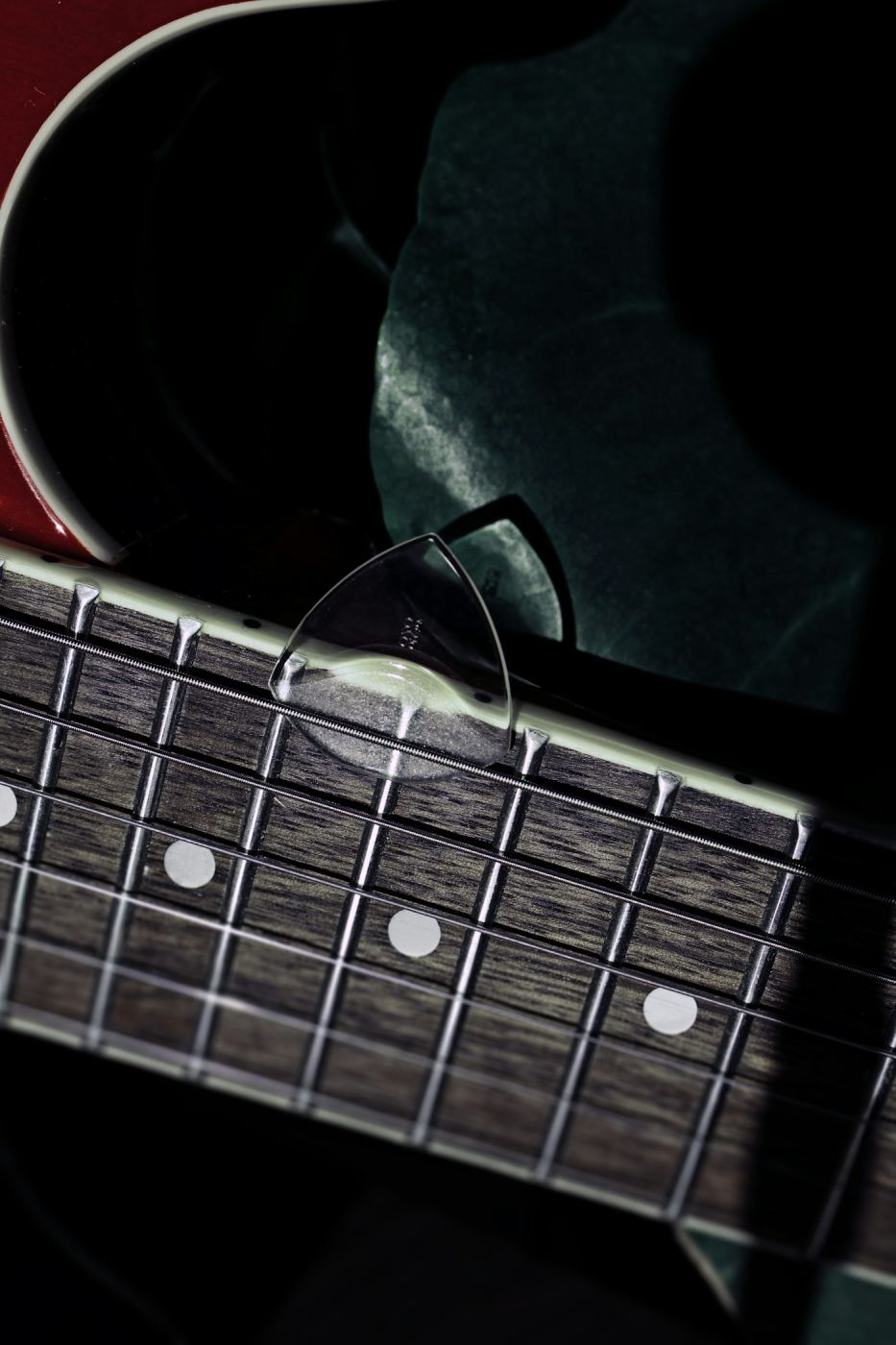
Close-up of a guitar neck and frets Prerequisite: Level 1
Level 02Intermediate

Repairs & Fretwork

The work that separates a repair specialist from a setup tech: fret restoration, full refrets, structural wood repairs and custom electronics.

Who it's for

  • Level 1 graduates
  • Experienced techs who can show equivalent skills
  • Anyone planning to offer paid repairs

Skills covered

  • Fret level, crown and polish (LCP)
  • Full and partial refrets, nickel or stainless
  • Headstock splines, cracks and bridge re-gluing
  • Pickup installs, custom switching and shielding

Outcome · Repair SpecialistRestore frets cleanly, repair serious wood fractures, track down ground loops, and overhaul complex instrument electronics.

Bench time
30–40 hours
Sessions
~12 × 3 hrs
Practice on
Shop donor guitars
Course fee
₱18,000
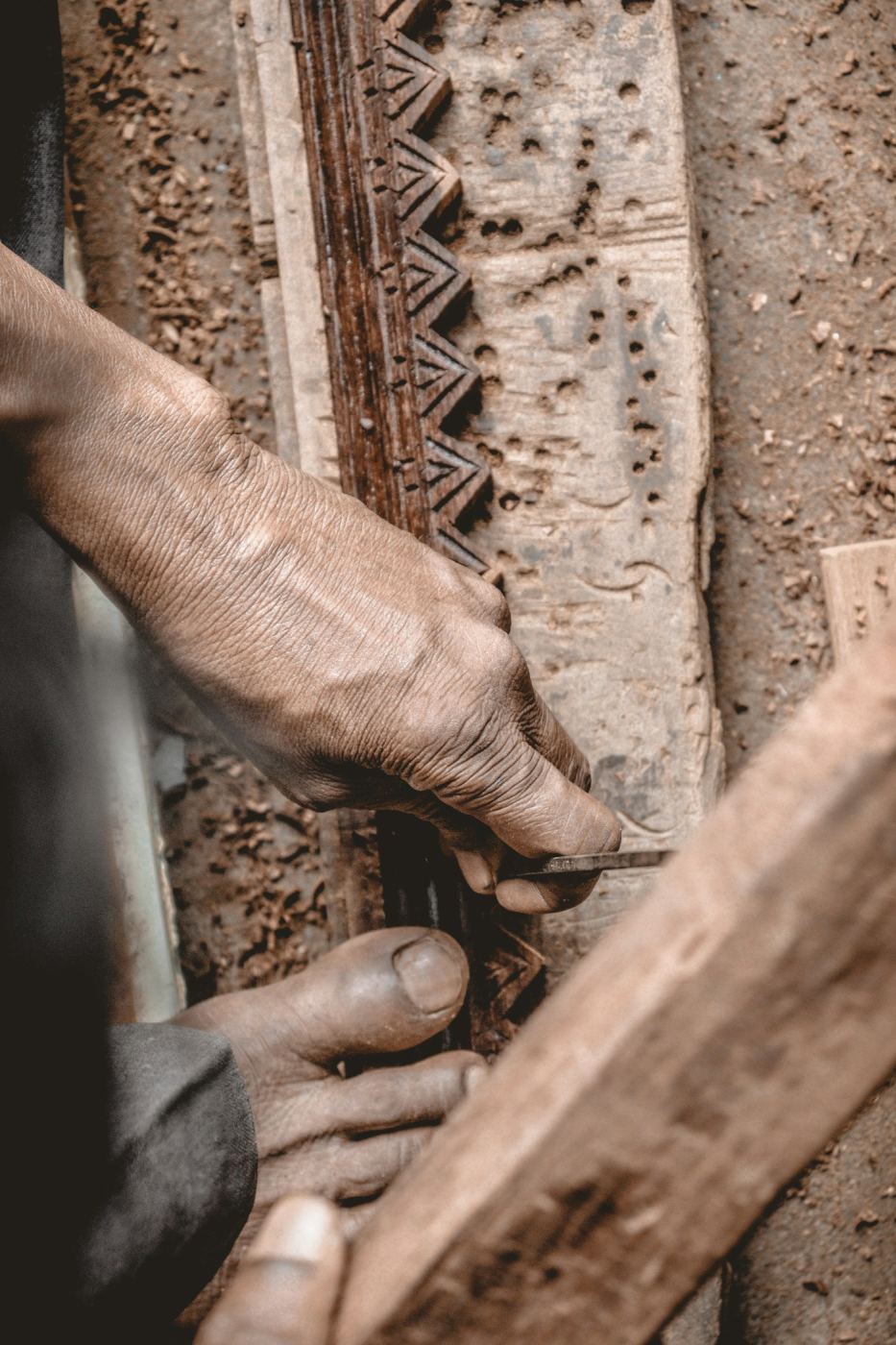
Hands carving a block of wood Prerequisite: Level 2 + interview
Level 03Advanced

Custom Guitar Building

Build a stage- and studio-ready guitar from raw timber: body, neck, fretboard, inlays, finish and final setup. It's yours to keep.

Who it's for

  • Level 2 graduates
  • Experienced woodworkers and repair techs (by interview)
  • Aspiring custom builders

Skills covered

  • Tonewood selection, jointing and glue-ups
  • Body routing, contours and neck carving
  • Fretboard slotting, radius and inlay work
  • Spray finishing, buffing and final assembly

Outcome · Custom LuthierBuild a finished instrument from raw timber, with custom inlays and a hand-buffed high-gloss finish.

Bench time
60–80+ hours
Sessions
~25 × 3 hrs
Includes
Full build kit
Course fee
₱40,000
Full curriculum

The complete 11-module syllabus.

Every technique, tool and material you'll work with, module by module.

Level 1 · Setup & Basic Maintenance Modules 1–4

M01 Shop safety, tools & instrument anatomyPPE, precision tools, wood movement
  • Personal protective equipment, shop ventilation and hazardous materials handling
  • Precision tools: feeler gauges, notched straightedges, radius gauges, crowning files, digital calipers
  • Wood movement, relative humidity control and proper instrument storage
  • Structural anatomy of electric, acoustic and bass guitars compared
M02 Neck geometry & truss rod adjustmentRelief, bow and twist
  • Measuring relief with notched straightedges and feeler gauges
  • Dual-action vs. single-action truss rods: mechanics, access and tension direction
  • Correcting up-bow and back-bow without stripping truss rod nuts
  • Identifying neck humps, ski-jumps and torsional twist
M03 Nut & saddle adjustmentsSlotting and shaping from bone
  • Checking nut slot height and open-string clearance at the 1st fret
  • Safe slotting with nut files and proper break angle
  • Making and shaping bone nuts and saddles from raw blanks
  • Acoustic saddle filing, compensation and bridge action
M04 Action, intonation & basic electronicsThe full playability setup
  • Setting string height for standard and ultra-low action
  • Matching bridge saddle radius to fretboard radius
  • Precise intonation with a strobe tuner
  • Pickup height, string balance, and cleaning pots and jacks

Level 2 · Repairs, Fretwork & Restorations Modules 5–8

M05 Precision fretwork: level, crown & polishLCP on a donor neck
  • Reading fretboard straightness and locking the neck flat under simulated tension
  • Leveling with precision beams and radius blocks
  • Crowning frets while keeping the true apex
  • Beveling, rounding fret ends and multi-stage polishing
M06 Full & partial refrettingRemoval to end dressing
  • Clean fret removal with heat and pullers to prevent chip-out
  • Slot preparation, depth cleaning and fretboard wood repair
  • Fret wire selection: nickel-silver vs. stainless steel, tang matching
  • Pressing vs. hammering, gluing, flush trimming and end dressing
M07 Structural repairs & woodworkHeadstocks, cracks, bracing
  • Adhesives: Titebond, hot hide glue, epoxy and CA glue
  • Cracked and severed headstocks: splines, cleats and clamping pressure
  • Acoustic body cracks, loose bracing and bridge re-gluing
  • Stripped screw holes, doweling and re-drilling hardware mounts
M08 Advanced electronics & custom wiringSoldering, switching, shielding
  • Professional soldering, heat sinking and wire routing
  • Pickup installs: humbuckers, single-coils, active systems
  • Push-pull pots, coil splits, series/parallel, phase and treble bleeds
  • Copper and conductive-paint shielding and fixing ground loops

Level 3 · Guitar Building & Custom Luthiery Modules 9–11

M09 Wood selection, planing & body constructionFrom raw timber to carved body
  • Choosing tonewoods (mahogany, alder, ash, maple, rosewood, ebony) by grain and stability
  • Bookmatching tops, jointing body blanks and glue-ups
  • Routing body templates, pickup and control cavities, neck pockets
  • Carving contours: forearm, belly and arched tops
M10 Neck fabrication & fretboard constructionTruss rods, slotting, inlays
  • Neck blank prep and headstock construction: scarf joint vs. solid angle
  • Routing truss rod channels and installing carbon fiber reinforcement
  • Tapering, slotting and radius-sanding fretboards
  • Inlay work: dots, blocks, mother-of-pearl and abalone with epoxy fill
M11 Neck joint, finishing & final buildSpray finish to master setup
  • Neck angle: bolt-on pockets vs. set-neck mortise and tenon
  • Surface prep, grain filling, sanding sealer and primer
  • Spray finishes: nitrocellulose, polyurethane, oil and burst staining
  • Wet sanding, buffing to high gloss, hardware mounting and master setup
Projects

What you'll actually make.

Every level ends with a practical project you complete at the bench and get signed off on.

Headstock and tuners of a freshly set up guitar
Level 1

Full setup on your own guitar

Relief, nut, action, intonation and pickups, plus a bone nut you shape from a raw blank.

Fresh frets on a guitar neck
Level 2

Refret + restoration

A complete refret on a donor neck, a headstock spline repair, and a custom wiring harness you design.

A hollow-body electric guitar
Level 3

Your own custom guitar

Built from raw tonewood with your choice of shape, inlays and finish. You take it home.

Tools & materials

Pro tools at the bench. Materials included.

You train on commercial-grade luthier equipment. You don't need to buy tools to start. Level 1 includes guidance on building your own kit.

Level 1 includes
  • Shop setup tools and your own bench space
  • Feeler gauges, straightedges, radius gauges
  • Nut files and a strobe tuner
  • Bone blanks for your nut project

Bring: your own guitar to work on

Level 2 includes
  • Specialized luthier tools
  • Soldering stations
  • Precision leveling beams and fret tools
  • Shop donor guitars for practice

Fret wire, adhesives and consumables included

Level 3 includes
  • Raw tonewood: body, neck and fretboard blanks
  • Hardware kit, pickups and truss rod
  • Spray finishing supplies
  • Inlay materials

Premium wood upgrades available at cost

Pricing

One course fee per level.

Pay in full, or pay 50% to reserve your bench and materials and the rest midway through the level.

LevelBench timeCourse fee50% down paymentCertificate
Level 1 · Setup & Instrument HealthPrecision Technician 10–15 hrs ₱6,000 ₱3,000 Yes
Level 2 · Repairs & FretworkRepair Specialist 30–40 hrs ₱18,000 ₱9,000 Yes
Level 3 · Custom Guitar BuildingCustom Luthier 60–80+ hrs ₱40,000build kit included ₱20,000 Yes
Pay by cash, bank transfer (BDO, UnionBank) or GCash / Maya.
Your deposit locks in your bench, schedule and course materials.
A certificate for every level you finish. Continue to the next level when you're ready.
Schedule

3-hour bench sessions

All bench sessions are by appointment so an instructor supervises every student directly. Take them weekly or more often, continuously or in checkpoints.

Morning
9:00 AM – 12:00 PM
Afternoon
1:00 PM – 4:00 PM
Evening
5:00 PM – 8:00 PM (weekdays)
Days
Tuesday – Sunday

Max 3 students per bench session. Pick your preferred days and block at enrollment.

Requirements & safety

Before you start

  • Age 16 and up. Under 18 needs a parent or guardian to sign.
  • Levels in order. Level 1 before Level 2, Level 2 before Level 3. Experienced techs can be assessed.
  • Level 3 includes a short interview to review your previous work.
  • Safety gear is required at all times: eye protection, a dust mask, and ear protection for power tools.
  • Closed-toe shoes. Tie back long hair and loose clothing.
Shop tools are cleaned and returned after each session. Damage from negligence may be charged. Read the full workshop policies.
Why learn here

Taught in a working shop, not a classroom.

  • Industry-standard tooling. Digital calipers, notched straightedges, specialized files and commercial finish systems.
  • Real benchwork. You solve the same problems that come through the shop door.
  • Material mastery. Tonewood stability, humidity, adhesives and finish chemistry.
  • Modular and certified. A certificate at every level you finish.
FAQ

Academy questions.

Do I need any experience?

Not for Level 1. It assumes you've never used luthier tools. Levels 2 and 3 have prerequisites.

Are materials included?

Yes. Consumables are included at every level, and Level 3 includes the full tonewood and hardware kit for your guitar.

Do I need my own tools?

No. You use the shop's tools during sessions. In Level 1 we'll show you how to build your own kit when you're ready.

Can I skip Level 1?

If you already do setups professionally, apply for Level 2 and we'll review your experience. We may ask you to complete a setup at the bench first.

Will this prepare me to start a repair business?

Levels 1 and 2 cover the core services most repair shops offer: setups, fretwork, structural repairs and electronics. Tell us about this goal in the assessment.

What happens if I miss a session?

Reschedule with at least 24 hours' notice. Late cancellations and no-shows are forfeited. If we have to postpone, we'll arrange a makeup session.

Do I keep the guitar I build?

Yes. The Level 3 guitar is yours.

Not sure which level to start at?

Tell us about your background in the assessment and choose "Recommend a level for me".